
The Gateway to Mysore Palace: A Story of Fire and Rebirth
The Gateway to Mysore Palace: A Story of Fire and Rebirth
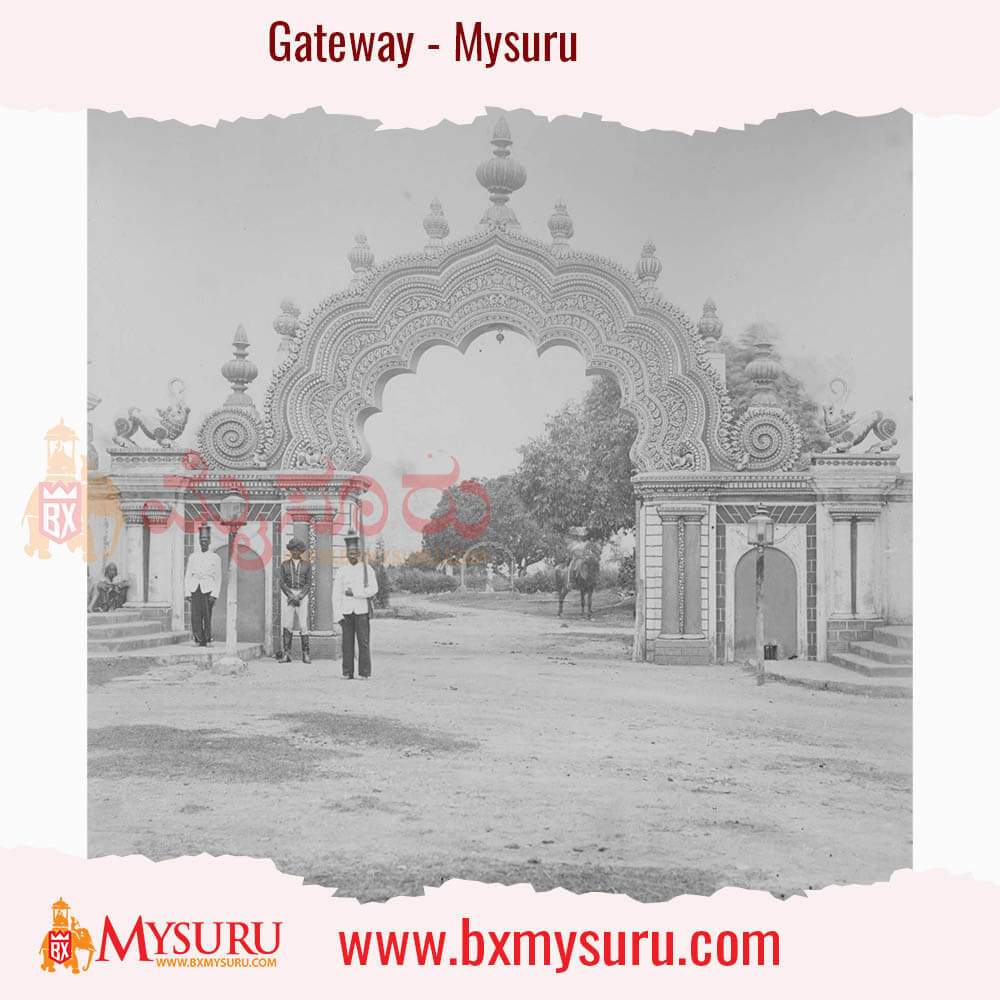
This ornate gateway, photographed around 1870, stood at the entrance to the original Mysore Palace, the official residence of the Wadiyar dynasty who ruled the Kingdom of Mysore. The structure is intimately connected to one of the most dramatic moments in the palace’s history—a devastating fire that would transform its architecture forever.
The Original Wooden Palace
The Mysore Palace’s history stretches back to around 1399 when Yaduraya Wadiyar first constructed it as part of a fortress. For centuries, the palace was built entirely of wood, featuring intricate craftsmanship and elaborate gateways like the one captured in this photograph. The wooden structure served as the heart of the kingdom, witnessing generations of royal ceremonies, celebrations, and daily life.
The Wedding Day Tragedy
On what should have been the most joyous of occasions, disaster struck. In 1897, during the wedding celebration of Princess Jayalakshammanni, the eldest daughter of Maharaja Chamaraja Wodeyar, a devastating fire engulfed the entire wooden palace. The flames consumed centuries of history, leaving nothing but ashes where the magnificent wooden structure once stood. This tragic event marked the end of an era and became a defining moment in Mysore’s architectural heritage.
A Phoenix from the Ashes
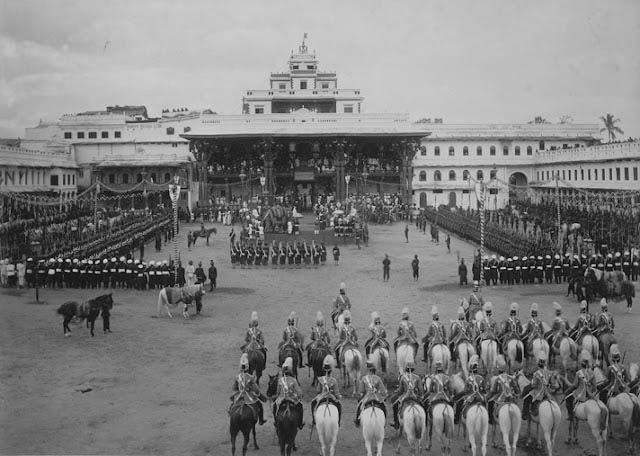
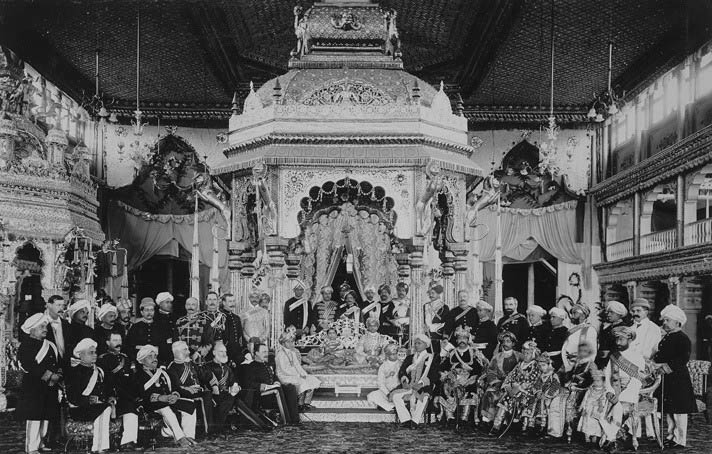
Following the catastrophic fire, the decision was made to rebuild the palace in a completely new style. Between 1897 and 1912, British architect Henry Irwin designed and constructed the present Amba Vilas Palace at a cost of Rs. 41-42 lakhs (approximately $30 million at that time). The new palace was built in the Indo-Saracenic architectural style, masterfully blending elements from Islamic, Rajput, Gothic, Hindu, and Mughal traditions.
The replacement was far grander than its predecessor. The new three-story stone structure featured fine grey granite with deep pink marble domes, a 145-foot five-story tower, and elaborate safety measures including fire extinguishers throughout—a clear response to the tragedy that had destroyed the original. The palace was adorned with 97,000 electric bulbs for illumination during special occasions, transforming the night sky.
The Sacred Gateways
The new palace incorporated multiple ceremonial gates, each with specific purposes and deep symbolic meaning. The Jayamarthanda Gate on the eastern side became the grandest entrance, used for welcoming royal elephants, horses, and sacred palanquins. It opens only once annually to receive the Dasara elephants. The Jayarama and Balarama Gates on the northern side serve as the exit point for the elephant carrying the Golden Howdah during the Vijayadashami procession. The ancient Brahmapuri Gate on the western side was reserved for royal family members traveling to the Parakala Mutt and Jaganmohan Palace. Even the practical Karikallu Thotti Gate opposite the City Corporation building had its role—bringing groceries from the Janata Bazaar into the palace kitchens.
A Symbol of Resilience
Around the palace entrance, the Sanskrit motto of the Mysore kingdom was inscribed: “न बिभॆति कदाचन” (na bibheti kadācana), meaning “never terrified.” This phrase took on profound significance after the fire, symbolizing the kingdom’s determination to rise stronger from tragedy. The palace became a testament to resilience, transforming from a wooden fortress into a stone marvel that would endure for generations.
Legacy of the Lost Gateway
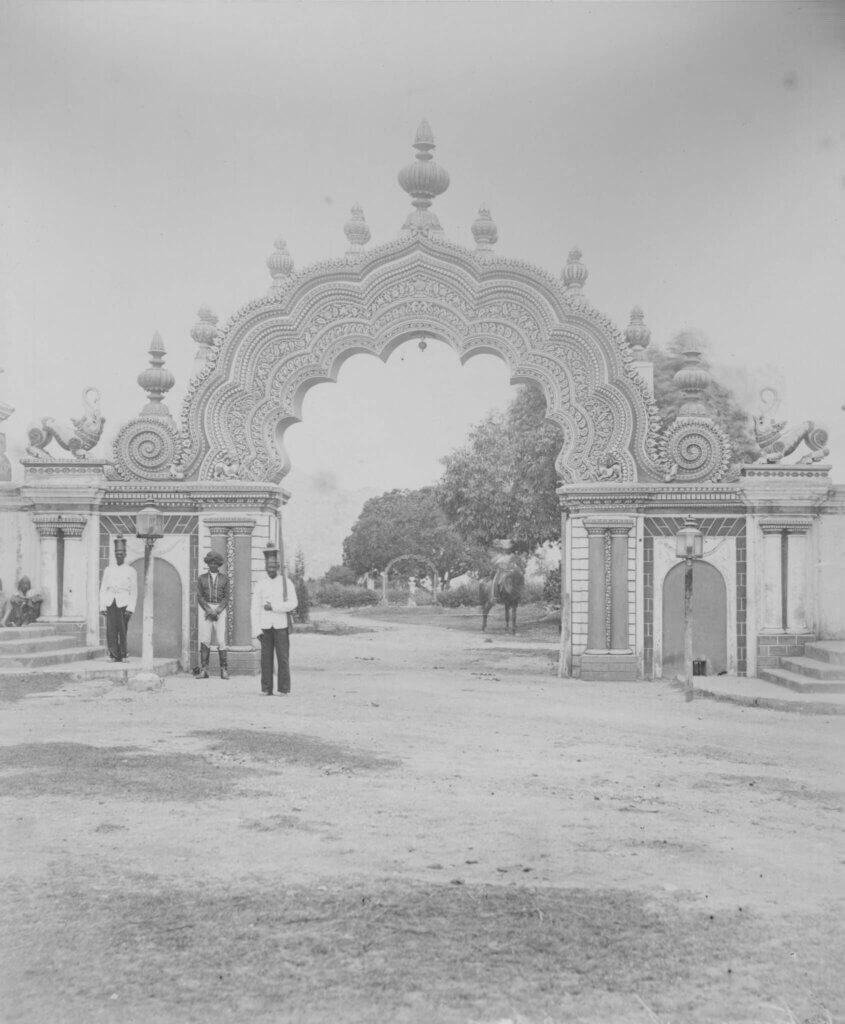
The photograph of this ornate wooden gateway holds exceptional historical value today. It represents one of the few surviving visual records of the original palace architecture that was lost to the flames. The intricate carved arches, decorative finials, and elaborate details visible in the image showcase the sophisticated craftsmanship of 19th-century Indian woodwork—a legacy that disappeared overnight but was reborn in even more magnificent stone and marble.
Today, the Mysore Palace stands as one of India’s most visited monuments, attracting over 6 million visitors annually. Yet this humble photograph reminds us that beneath the current grandeur lies a story of loss, transformation, and the indomitable spirit of a kingdom that refused to be diminished by tragedy.
References
- Mysore Palace – Wikipedia (https://en.wikipedia.org/wiki/Mysore_Palace)
- “Exploring the Spectacular Mysore Palace History and Architecture” – History Finder (https://historyfinder.in/exploring-the-spectacular-mysore-palace-history-and-architecture/)
- “ROYAL ARCHES AND GATEWAYS” – Star of Mysore (https://starofmysore.com/royal-arches-gateways/)
- “Mysuru Palace” – Mindia Films (https://mindiafilms.com/mysuru-palace/)
- “Mysuru Palace: Raising a Royal Residence” – Peepul Tree (https://www.peepultree.world/livehistoryindia/story/monuments/mysuru-palace)
- Kingdom of Mysore – Wikipedia (https://en.wikipedia.org/wiki/Kingdom_of_Mysore)
- “Mysore Palace: A Sneak Peak of the Wodeyar Dynasty” – Treebo (https://www.treebo.com/blog/mysore-palace/)
- Mysore Palace, a History of Freak Accidents and Multiple Rebuilds – Sahapedia (http://www.sahapedia.org/mysore-palace-history-freak-accidents-and-multiple-rebuilds)
