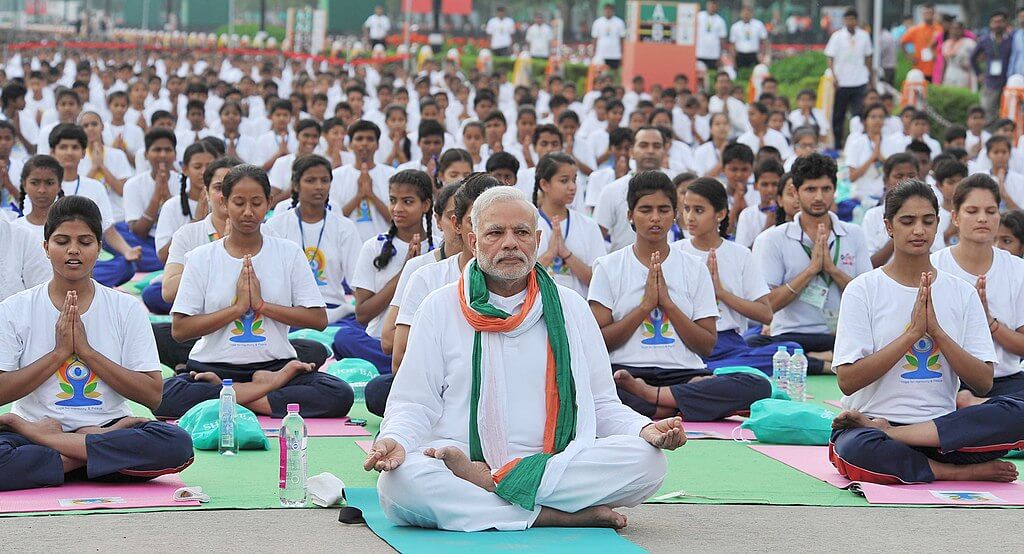
Mysore: The Global Capital of Yoga
Mysore, a historic city in Karnataka, India, has earned unparalleled global recognition as a hub for yoga studies. The city, known for its regal palaces and cultural vibrancy, has found new fame among wellness seekers worldwide—particularly for its distinct style of yoga and its welcoming environment for international students.
Why Mysore Is Famous for Yoga
Mysore’s reputation as a “yoga capital” is built on several key factors:
Historical Roots: The city’s connection to yoga dates back to the royal patronage of the Maharajas of Mysore, who supported the development and propagation of yoga traditions and sponsored influential teachers.
Birthplace of Modern Ashtanga Yoga: The globally-renowned Ashtanga Yoga method—one of the most popular and physically challenging yoga systems—was systematized and taught in Mysore. This has attracted global practitioners and teachers to its shalas (yoga schools).
What Type of Yoga Is Famous in Mysore?
Ashtanga Yoga, specifically the Mysore style, is the hallmark of the city’s yoga tradition.
Ashtanga Yoga: Developed and popularized by K. Pattabhi Jois, Ashtanga Yoga follows a structured series of postures (asanas), synchronized with breath and movement (vinyasa). It emphasizes daily practice and progression through set sequences, making it rigorous yet transformative for the dedicated student.
Mysore Style: Unlike typical guided classes, Mysore-style Ashtanga is taught in an individualized format within a group class. Students move through the sequence at their own pace, receiving personal adjustments and guidance from the teacher as needed. This approach is unique and has become world-famous due to its roots in Mysore.
Why Do So Many Foreigners Visit Mysore for Yoga?
Mysore attracts thousands of international yoga students every year. Key reasons include:
Authenticity at the Source: Many seek to study “at the source,” learning from authentic lineages and teachers in the city where Ashtanga Yoga was codified.
Renowned Institutions: World-famous shalas like the K. Pattabhi Jois Ashtanga Yoga Institute and many others offer courses, teacher training, and immersive experiences for all skill levels.
Spiritual and Cultural Immersion: Visitors often describe their Mysore stay as a profound cultural journey—blending intensive yoga practice with exposure to Indian spirituality, philosophy, and local life.
Supportive Community and Infrastructure: Mysore has developed a robust ecosystem for yoga tourists, including affordable accommodation, vegetarian cafes, ayurvedic clinics, and a diverse, international yoga community.
International Yoga Studies: Who Comes and What Do They Seek?
Demographics: Most foreign students are highly educated, wellness-oriented individuals, ranging from passionate beginners to experienced yoga teachers. They typically stay for anywhere from a few weeks to several months.
Motivation: Research suggests that strong motivation to pursue personal and spiritual growth, authentic instruction, and health benefits underlies the popularity of Mysore yoga tourism. Many come back repeatedly, driven by cultural, spiritual, and personal satisfaction.
The Wellbeing Benefits of Mysore’s Yoga Tradition
Recent studies show regular practitioners of Ashtanga Yoga, particularly in the Mysore tradition, report improvements in:
Physical Wellbeing: Increased strength, flexibility, health, and vitality.
Emotional and Mental Resilience: Better stress management, lower levels of anxiety and depression, higher mindfulness, equanimity, and self-awareness.
Social and Spiritual Health: A sense of community, connectedness, personal growth, and meta-awareness that extends beyond physical exercise.
The Lasting Legacy of Mysore in Yoga Culture
Mysore’s unique blend of rigorous tradition, authentic teaching, and international appeal ensures its continuing importance in the world of yoga. The Mysore style has become a blueprint for yoga schools globally, and the city itself remains a living, breathing center for yoga innovation, wellness, and cultural exchange.
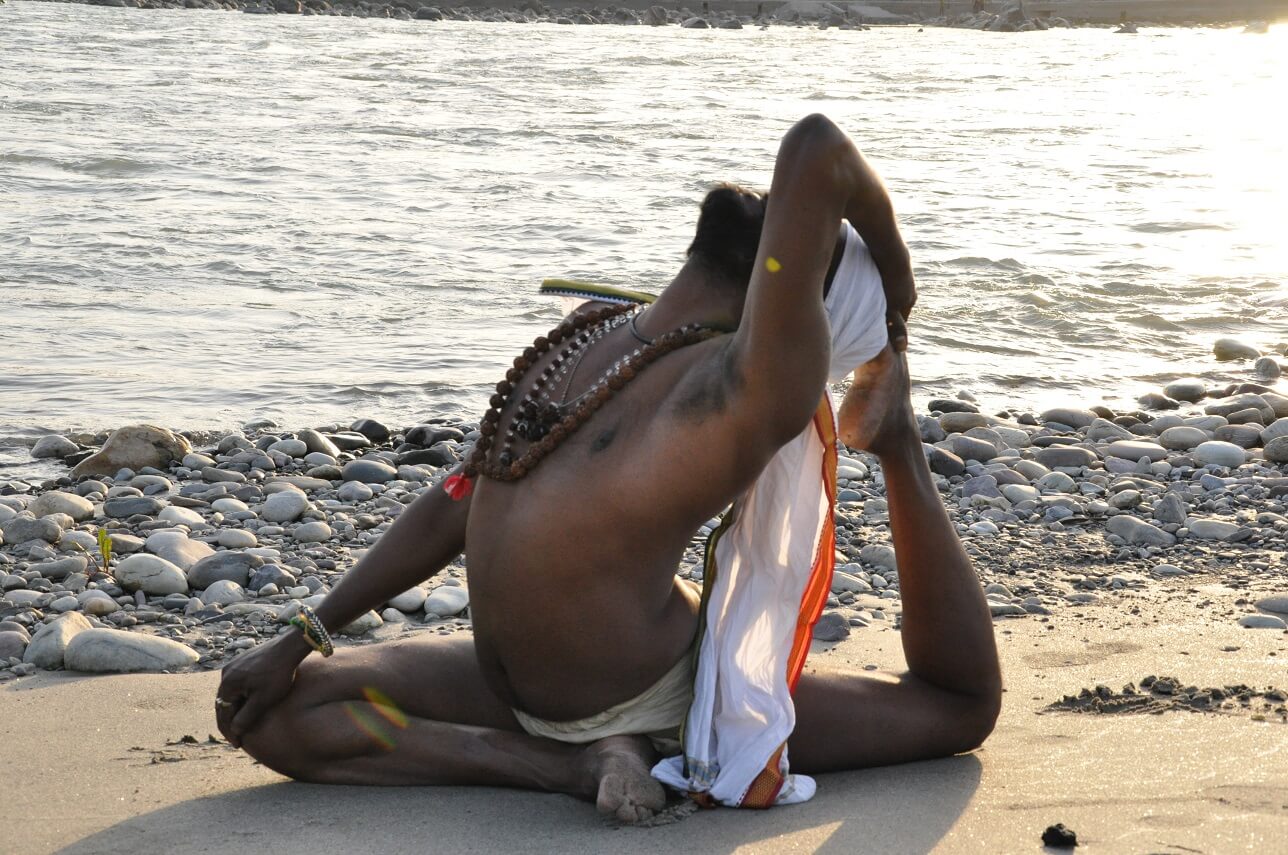
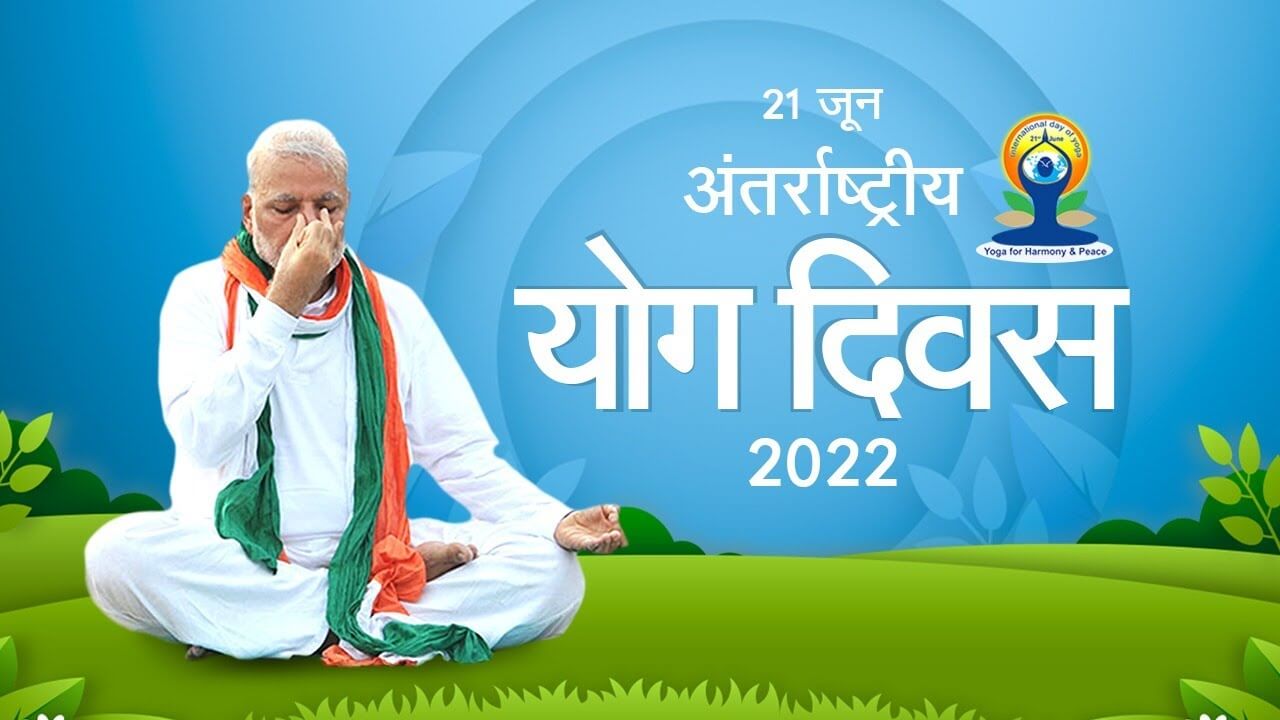
8th International Day of Yoga celebrations in Mysuru with PM. Narendra Modiji