
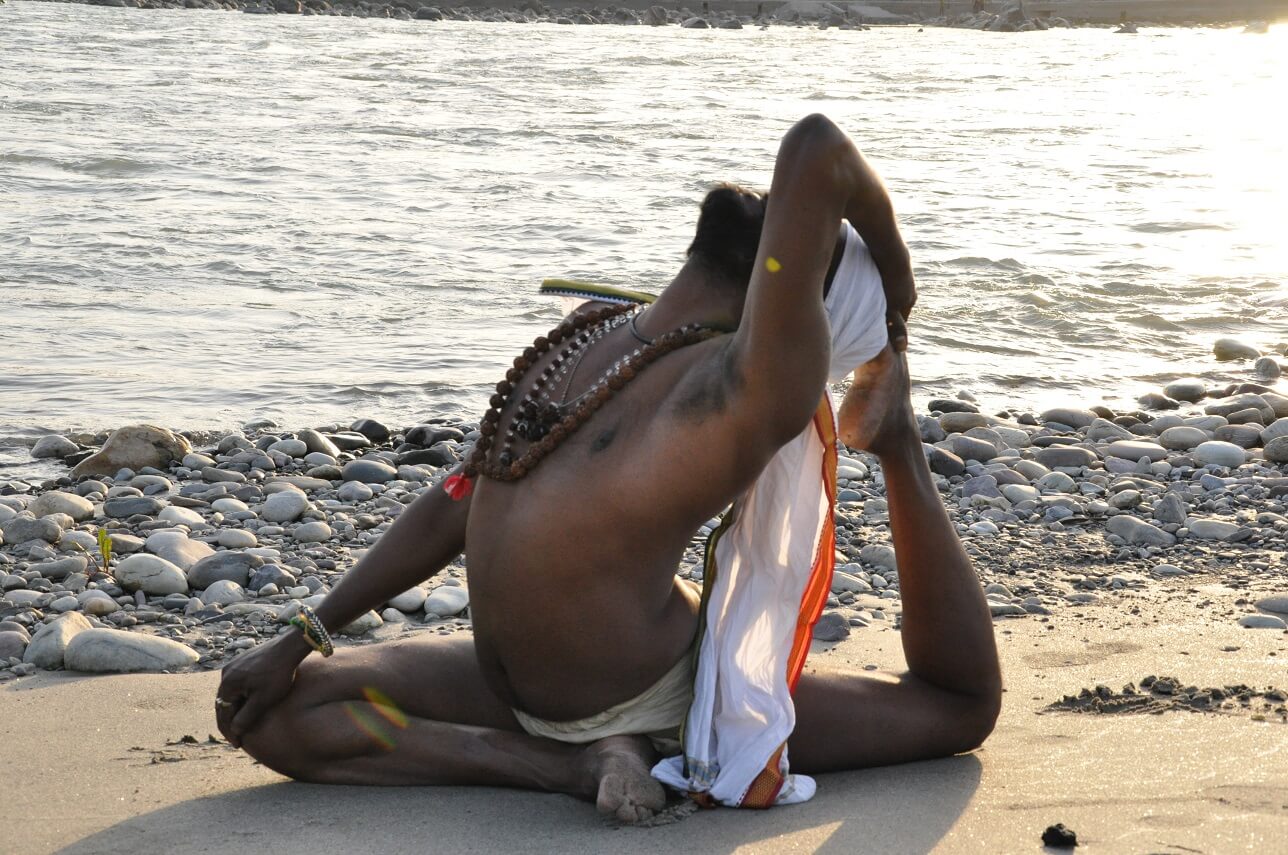
Mysore: The Global Epicenter of Ashtanga Yoga
Nestled in the heart of Karnataka, India, the historic city of Mysore has transcended its legacy as the former seat of the Mysore Kingdom to become the undisputed global capital of Ashtanga Yoga. This ancient city, renowned for its majestic palaces and rich cultural heritage, now attracts thousands of international yoga practitioners annually, making it one of the most significant destinations for authentic yoga education worldwide.
The Royal Roots of Yoga in Mysore
Historical Foundation and Palace Connection
Mysore’s connection to yoga extends deep into its royal history. The Mysore Palace served as a crucial repository of ancient yoga knowledge, housing manuscripts that would later shape modern yoga practice. The most significant among these was the Haṭhābhyāsapaddhati, a Sanskrit text on Hatha Yoga probably composed in the eighteenth century, which contained revolutionary approaches to āsana (yogic posture) practice.
This palace manuscript became the foundation for the famous Sritattvanidhi, an illustrated compendium of yoga postures that would influence generations of yoga practitioners. The royal patronage provided by the Maharajas of Mysore ensured that yoga traditions were not only preserved but also systematically documented and refined over centuries.
The Krishnamacharya Connection
The legendary T. Krishnamacharya (1888-1989), often called the “father of modern yoga,” had profound connections to Mysore. His access to the palace manuscripts and his revolutionary approach to yoga instruction would later influence his most famous students, including K. Pattabhi Jois, who would establish Mysore as the global center for Ashtanga Yoga practice.
The Rise of Ashtanga Yoga: K. Pattabhi Jois and the Mysore Method
The Master and His Method
Sri Krishna Pattabhi Jois (1915-2009) transformed Mysore into the epicenter of modern postural yoga through his development and teaching of Ashtanga Vinyasa Yoga. Jois didn’t merely teach yoga; he created a revolutionary approach that would attract practitioners from around the world to this South Indian city.
Ashtanga Yoga, as developed by Jois, is characterized by:
- Sequential Practice: A set series of postures performed in a specific order
- Vinyasa Flow: Synchronization of breath and movement
- Tristhana Method: Integration of posture, breathing technique, and gazing point
- Self-Paced Learning: Students progress individually through the sequence
The Revolutionary “Mysore Style” Teaching Method
The “Mysore Style” of instruction represents one of the most unique teaching methodologies in the yoga world. Unlike conventional group classes where students follow an instructor’s pace, Mysore style allows practitioners to:
- Practice at Their Own Rhythm: Each student moves through the sequence according to their breath and capability
- Receive Individual Attention: Teachers provide personalized adjustments and guidance within a group setting
- Progress Systematically: New postures are introduced only when the student demonstrates readiness
- Develop Independence: Students memorize the sequence and cultivate self-discipline
This method creates an intimate yet collective practice environment that fosters both personal growth and community connection—a combination that has proven irresistible to international practitioners seeking authentic yoga education.
The Global Magnet: Why Foreigners Flock to Mysore
Demographics and Scale of International Visitors
Research indicates that Mysore attracts thousands of international yoga students annually, with practitioners traveling from every continent to study at its numerous yoga shalas (schools). The demographic profile of these visitors typically includes:
- Highly Educated Professionals: Many practitioners come from backgrounds in healthcare, education, and wellness industries
- Dedicated Practitioners: Students often stay for extended periods, ranging from one month to several years
- Repeat Visitors: A significant percentage return multiple times, creating lasting connections to the city
- Teacher Trainees: Many come specifically to obtain teaching authorization from recognized lineages
Core Motivations for the Pilgrimage
The attraction to Mysore extends far beyond simple tourism. Research on yoga tourism reveals that international students are motivated by(see the generated image above):
Authenticity Seeking: Practitioners desire to learn “at the source” from traditional lineages, believing this provides deeper understanding than Western adaptations
Spiritual and Cultural Immersion: The opportunity to experience yoga within its cultural context, including exposure to Indian philosophy, lifestyle, and spiritual practices
Intensive Personal Development: The structured daily practice schedule (typically 6 days a week, early morning sessions) creates rapid progression and transformation
Community and Belonging: The international yoga community in Mysore provides a unique social environment where shared passion for practice creates strong bonds
Teacher Development: Many come to develop teaching skills or to deepen their understanding before returning to teach in their home countries
The Physical and Mental Transformation: Scientific Insights
Comprehensive Wellbeing Benefits
Modern research has validated many of the transformative effects that draw practitioners to Mysore. Studies on regular Ashtanga practitioners reveal significant improvements across multiple dimensions of wellbeing:
Physical Health Enhancement:
- Increased muscular strength and flexibility
- Improved cardiovascular health
- Enhanced balance and coordination
- Better pain management and injury prevention
Mental and Emotional Wellbeing:
- Significant reduction in stress, anxiety, and depression
- Improved emotional regulation and resilience
- Enhanced mindfulness and present-moment awareness
- Greater self-confidence and body awareness
Social and Spiritual Development:
- Stronger sense of community and belonging
- Increased empathy and compassion
- Greater life satisfaction and sense of purpose
- Enhanced spiritual awareness and connection
The Intensity Factor
Ashtanga Yoga is renowned for being physically demanding, with research showing injury rates of approximately 1.18 injuries per 1,000 hours of practice. However, this intensity is precisely what attracts many practitioners—the challenge creates rapid transformation and builds both physical and mental resilience.
The most common injuries occur in the hamstrings, knees, and lower back, but significantly, no practitioners reported permanent impairment from their yoga practice, suggesting that when taught properly (as in traditional Mysore settings), the practice remains safe despite its intensity.
The Economic and Cultural Impact
Yoga Tourism Infrastructure
Mysore has developed a comprehensive ecosystem to support international yoga students:
Accommodation: Specialized guesthouses and apartments cater to long-term yoga students
Dining: Numerous cafes offer healthy, vegetarian cuisine tailored to yogic dietary principles
Healthcare: Ayurvedic clinics and wellness centers provide complementary healing services
Shopping: Markets specializing in yoga props, books, and spiritual items
Transportation: Services connecting yoga shalas with accommodation areas
Cultural Exchange and Integration
The presence of thousands of international practitioners has created a unique cultural fusion in Mysore. Local residents have adapted their services to cater to yoga tourists, while international students often engage deeply with Indian culture, learning Sanskrit, studying philosophy, and participating in local festivals and traditions.
This exchange has been largely beneficial, bringing economic opportunities to local communities while providing authentic cultural experiences for international visitors.
The Lineage Continues: Modern Developments
Current Leadership and Evolution
Following K. Pattabhi Jois’s passing in 2009, the tradition has continued under the guidance of his family, particularly his grandson R. Sharath Jois, who maintains the traditional teaching methods while adapting to the needs of contemporary practitioners.
The K. Pattabhi Jois Ashtanga Yoga Institute (KPJAYI) remains the most prestigious destination for Ashtanga practitioners, but numerous other schools and teachers in Mysore now offer various styles and levels of yoga instruction, creating a diverse learning environment.
Challenges and Adaptations
The growing popularity has brought both opportunities and challenges:
Quality Control: Ensuring authentic teaching standards as demand increases
Cultural Sensitivity: Balancing commercialization with respect for traditional values
Sustainable Tourism: Managing the environmental and social impact of large numbers of international visitors
Accessibility: Making authentic yoga education available to practitioners of different economic backgrounds
The Broader Impact: Mysore’s Global Influence
Seeds of Global Expansion
Students who study in Mysore return to their home countries as authorized teachers and lineage holders, spreading the authentic Ashtanga method worldwide. This has created a global network of Mysore-trained teachers who maintain the traditional standards and methods learned in India.
The “Mysore Style” teaching method has been adopted by yoga studios worldwide, though many practitioners still consider periodic study in Mysore essential for maintaining authenticity and depth in their practice.
Preservation of Ancient Wisdom
By attracting international attention and generating economic value, Mysore has ensured the preservation and continuation of ancient yoga traditions that might otherwise have been lost to modernization. The city serves as a living library of yogic knowledge, where traditional methods continue to be practiced and transmitted as they have been for generations.